
From Christchurch farmers markets to coastal fish counters, everyday eating here is about fresh local food, sensible portions, and habits that fit your routine — not rigid rules.
Free educational content only. Not medical advice. We do not sell supplements, medicines, or diet programmes.
Explore Our GuidesNew Zealand offers remarkable access to seasonal produce, quality seafood, and wholegrain products. Yet busy schedules, takeaway culture, and confusing labels can make balanced eating feel harder than it needs to be.
Public health surveys in New Zealand indicate that many people eat fewer vegetables and whole grains than general eating guidelines suggest, while discretionary foods — sugary drinks, processed snacks, and high-sodium ready meals — can make up a large share of daily energy intake. Small, practical changes may be easier to keep up over time: swapping white bread for a high-fibre loaf, adding one extra colour to your plate, or choosing water at lunch.
Our guides describe foods available at Countdown, New World, Pak'nSave, and local markets across Canterbury and beyond. We share approximate calories, fibre, and micronutrient figures in plain language to support everyday meal planning — not to diagnose, treat, or prevent any condition. Content is editorial and educational; always speak with a qualified dietitian or doctor about choices that affect your health.
This website is an independent editorial publisher based in Christchurch. We are not affiliated with Te Whatu Ora, MPI, or any supermarket or supplement brand. Our articles:
Read our full About & Editorial Standards page for transparency details under New Zealand advertising and privacy law.
 A variety of colours on your plate can help cover different food groups
Colour is more than presentation — it signals different plant compounds. Red capsicum and tomatoes deliver vitamin C (around 80–120 mg per medium capsicum) and lycopene. Orange kūmara and carrots provide beta-carotene, which the body converts to vitamin A. Leafy greens like silverbeet and spinach offer folate (roughly 100–190 mcg per cooked cup) and non-haem iron. Blue and purple berries add anthocyanins alongside roughly 50–80 kcal per cup.
A practical approach is filling half your dinner plate with vegetables, then adding fruit at breakfast or as snacks. In summer, stone fruit and berries from Central Otago are often good value; in winter, frozen mixed vegetables and citrus from Gisborne keep variety high without stretching the budget. Eating across the rainbow helps cover a wider range of nutrients as part of a balanced diet — and colourful meals can make home cooking more enjoyable for many households.
Read the Full Produce GuideWhole grains keep the bran, germ, and endosperm intact, which means more fibre, B vitamins, and minerals than refined versions. A slice of wholemeal bread typically provides 70–90 kcal, 2–3 g protein, and 2–4 g fibre. Rolled oats cooked in water deliver about 150 kcal per cup with 4 g fibre and useful amounts of manganese and phosphorus. Brown rice sits near 215 kcal per cooked cup with 3.5 g fibre and modest magnesium levels.
When shopping in New Zealand, look for the word "whole" or "wholegrain" in the first ingredients. High-fibre pasta — often made from whole wheat or legumes — can offer 6–8 g fibre per serve compared with 2 g in standard white pasta. Swapping one refined grain choice per day can be a manageable starting point. Pair grains with vegetables and a protein source for balanced plates that many people find satisfying through a working afternoon.
| Food (1 serve) | Calories | Fibre | Key nutrients |
|---|---|---|---|
| Wholemeal bread (1 slice) | ~80 kcal | 2–4 g | B vitamins, iron |
| Rolled oats (cooked cup) | ~150 kcal | 4 g | Manganese, phosphorus |
| Brown rice (cooked cup) | ~215 kcal | 3.5 g | Magnesium, selenium |
| High-fibre pasta (dry 75 g) | ~260 kcal | 6–8 g | Protein, folate |
Fresh hoki, salmon, and canned tuna are staples. A 100 g serve of salmon provides roughly 200 kcal, 20 g protein, and omega-3 fats. Many public eating guides suggest including fish in the weekly menu where it suits your household.
Skinless chicken breast offers about 165 kcal and 31 g protein per 100 g, with less saturated fat than processed meats. Trim visible fat and vary cooking methods.
Canned chickpeas and lentils deliver 120–140 kcal per half cup, 7–9 g protein, and 5–8 g fibre. Ideal for curries, salads, and winter soups.
One large egg has ~70 kcal and 6 g protein with vitamin D and choline. A 30 g handful of almonds adds 170 kcal, 6 g protein, and vitamin E.
Including protein at each main meal is a common pattern in general eating guides. Published dietary references often mention roughly 20–30 g of protein per main meal as a planning figure for many adults — individual needs vary by age, activity, and health status. A qualified dietitian can help you work out what is appropriate for you. Plant and animal proteins can share the same plate; variety and moderation are practical starting points.
Low-fat milk, yoghurt, and cheese are common calcium sources in the New Zealand diet. A 200 ml glass of trim milk provides about 70 kcal, 7 g protein, and 240 mg calcium — roughly a quarter of general daily reference intakes for many adults. Plain yoghurt with live cultures is an option without the added sugars found in many flavoured tubs, which can contain 15–20 g sugar per serve.
Water should be your default drink. Tap water in most NZ centres is safe and essentially calorie-free. Replacing one 330 ml sugary soft drink (around 140 kcal and 35 g sugar) with water saves substantial energy over a month. Herbal teas and plain sparkling water with citrus are fine alternatives. Keep dairy portions modest — two to three serves daily for most adults — and choose reduced-fat options when you consume milk or yoghurt regularly.
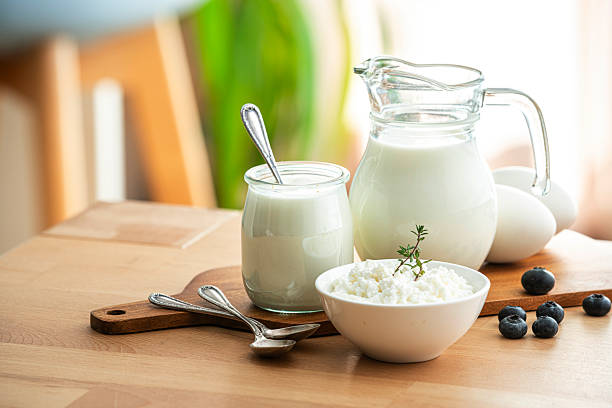 Trim milk and water — simple staples for everyday balance
Most Kiwis exceed the suggested 5 g sodium daily. Processed meats, sauces, and takeaway meals are common sources. Cook at home more often, taste before salting, and use herbs, lemon, and garlic for flavour. A tablespoon of soy sauce can contain 900 mg sodium alone.
Free sugars in fizzy drinks, baking, and confectionery add energy without nutrients. WHO guidance suggests keeping added sugars below 10% of total energy — roughly 50 g for a 2000 kcal diet. Read labels; "organic" or "natural" does not mean low sugar.
Saturated fat from butter, fatty cuts, and coconut oil should stay modest — under 10% of energy. Choose olive or canola oil for cooking. Alcohol provides 7 kcal per gram with no nutritional benefit; if you drink, stay within NZ low-risk guidelines and avoid using alcohol as a meal replacement.
Reducing salt, added sugar, saturated fat, and alcohol can leave more room on your plate for whole foods. This is general dietary context aligned with public eating guidelines — not a promise of specific results. Individual experiences differ; speak with a healthcare professional if you have questions about limits that apply to you.
Whether you are cooking for a family in Riccarton or meal-prepping before a tramping weekend, these guides offer practical ideas for everyday meals. Pick one page that matches your current interest — small, consistent changes are easier to maintain than strict rules.