
Low-fat milk and yoghurt, water as your main drink, and thoughtful caps on salt, sugar, saturated fat, and alcohol.
General food information only — not medical advice. Limits described are public-guideline context, not personal prescriptions.
Read the GuideDairy remains a convenient source of calcium, protein, and B vitamins in New Zealand. Trim milk (green top) provides about 70 kcal, 7 g protein, and 240 mg calcium per 200 ml glass — roughly a quarter of daily calcium needs for many adults. Light blue top has slightly more fat; dark blue homogenised milk doubles the saturated fat per glass without extra protein benefit for most people.
Plain unsweetened yoghurt (~150 g serve) delivers 90–110 kcal, 8–10 g protein, and may contain live cultures depending on the product. Flavoured yoghurts often contain 12–18 g added sugar per tub; compare brands and choose plain with fresh fruit instead. Cheese is nutrient-dense but high in saturated fat and sodium — a 30 g matchbox portion of edam supplies about 110 kcal, 7 g protein, and 200 mg calcium. General eating guides often mention two to three dairy serves daily for many adults; adjust for lactose tolerance using lactose-free trim milk widely sold in NZ.
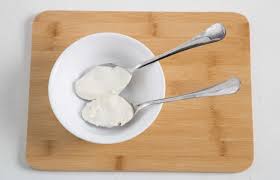 Trim milk and plain yoghurt — calcium without excess sugar
Tap water across most New Zealand urban centres meets stringent drinking standards and costs virtually nothing. Aiming for six to eight glasses daily — more in summer or during physical work — supports hydration without added sugars. Each 330 ml can of regular soft drink contributes roughly 140 kcal and 35 g sugar, often as high-fructose corn syrup or sucrose, with no vitamins or minerals.
Replacing one sugary drink daily saves around 980 kcal weekly — equivalent energy to a modest meal, but without satiety. Infuse water with lemon, cucumber, or mint for variety. Plain sparkling water with a wedge of lime is fine. Coffee and tea without sugar count toward fluid intake; limit added syrups in café drinks, which can exceed 300 kcal in large flavoured lattes. Carry a reusable bottle when walking the Port Hills or commuting — refill stations are increasingly common in workplaces and gyms.
| Beverage (330 ml) | Calories | Sugar |
|---|---|---|
| Tap water | 0 kcal | 0 g |
| Cola soft drink | ~140 kcal | ~35 g |
| Orange juice | ~150 kcal | ~32 g |
| Trim milk | ~70 kcal (200 ml) | ~10 g lactose |
The suggested sodium upper limit is 2300 mg daily, ideally near 1500 mg for many adults. Average NZ intake exceeds this through bread, processed meats, and takeaway meals. A tablespoon of soy sauce may contain 900 mg sodium. Free sugars should stay below 10% of total energy — roughly 50 g on a 2000 kcal diet. Read labels: under 120 mg sodium per 100 g is low; under 5 g sugar is low.
Saturated fat from butter, fatty cuts, and coconut cream should stay below 10% of daily energy — about 22 g on 2000 kcal. Choose olive or canola oil for cooking. Alcohol provides 7 kcal per gram with no nutritional benefit. NZ low-risk guidance suggests no more than two standard drinks daily for women and three for men, with at least two alcohol-free days weekly.
Reducing salt, added sugar, saturated fat, and alcohol can leave more room for whole foods in a balanced diet. This is general context from public eating guidelines — not a promise of specific results. Speak with a healthcare professional if you have questions about limits that apply to you.
Return milk and yoghurt to the fridge within two hours of serving. Discard milk that smells sour or has been left out overnight. Check use-by dates on soft cheeses.
Rural tank water may need UV treatment or filtration. Boil water if advised after heavy rainfall in your area. Use official council notices after weather events.
Never drink and drive. Avoid alcohol when operating machinery, swimming, or tramping. Hydrate with water between alcoholic drinks at social gatherings.
Compare per 100 g or per 100 ml columns, not per serve alone. Manufacturers sometimes define small serves to appear lower in sugar or sodium.